Industry Insights2026-01-21
Fault Localization Degrading from Minutes to Hours? Breaking the AI Computing Center Operations Dilemma
Solving AI Computing Center Operations Requires a "Full-ack Fusion" Revolution
AI training can run for weeks, and a single interruption can cause substantial losses. Yet fault localization may still take 30–120 minutes. The original article cites a 2025 China IDC industry discussion attributing 70% of outages to human error.
Three persistent problems undermine AI data center resilience:
- Fragmented fault evidence: One GPU fault can stop a training job, while network, server, storage, facilities and virtualization data remain separate.
- Disconnected IT and facilities monitoring: CPU and memory metrics are isolated from temperature, humidity and power data.
- Limited automation: Around 60% of inspections still depend on visual checks and experienced engineers, without a shared digital model.
Connect physical location, infrastructure and business impact
CloudSino iBSM connects physical assets, logical resources and business services.
- Rack-unit asset management: Locate equipment down to its rack unit and synchronize installation and removal records.
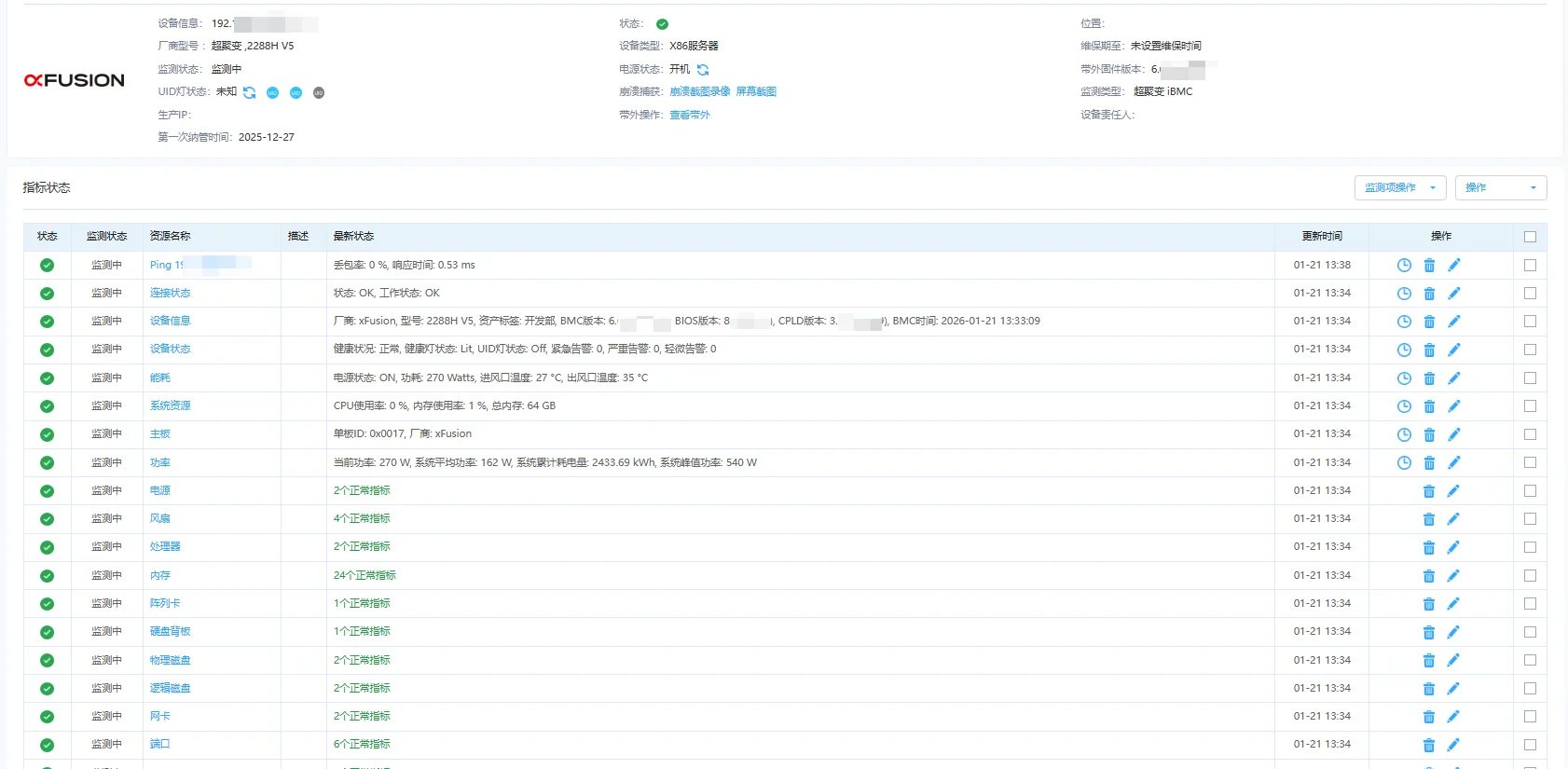
- Unified discovery: Combine IPMI, Redfish and SMI-S with SNMP, SSH and JDBC to cover servers, storage, networking, virtualization, databases and middleware.
- Service topology: Build business models with a visual editor and expose dependencies between services and IT resources.
Bring IT and facilities data together
- Monitor temperature and humidity sensors, cooling, UPS and PDU data alongside IT equipment.
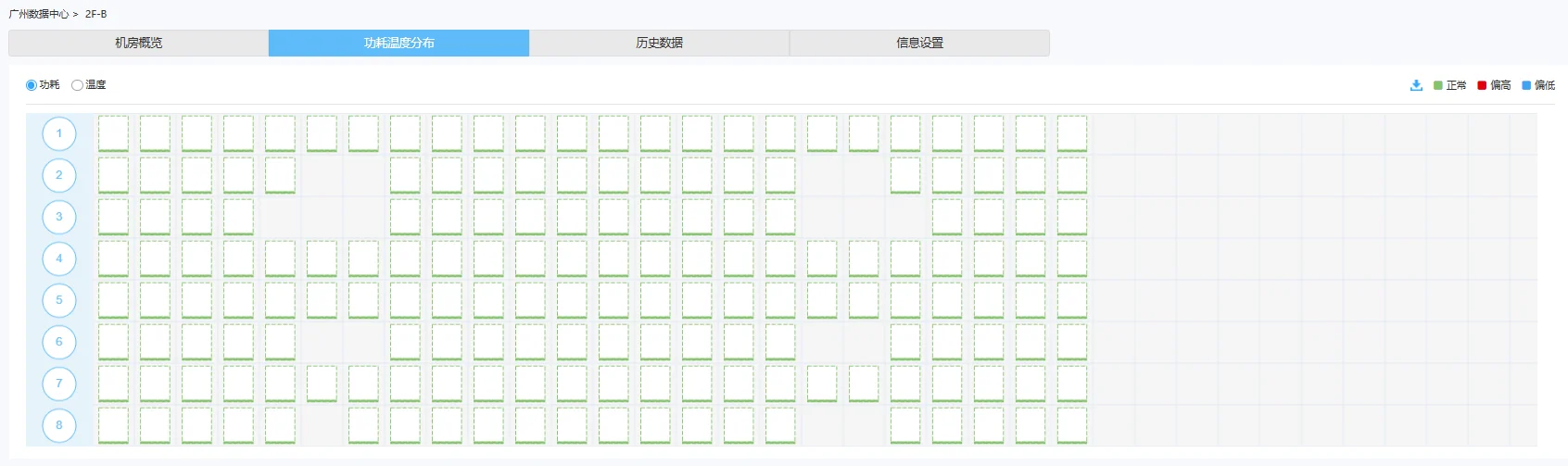
- Collect x86 server inlet temperatures and power readings to build device-level heat maps.
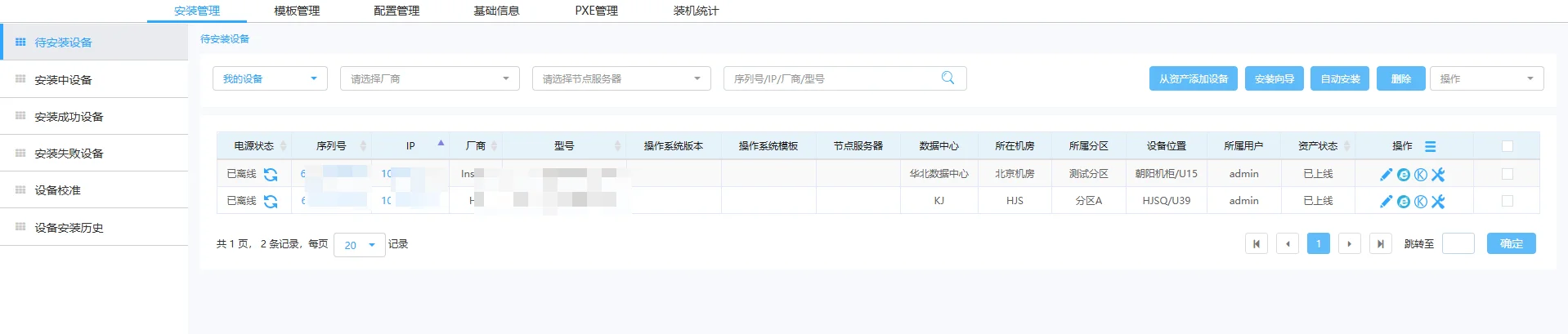
- Automate routine inspection and configuration through custom monitors, batch controls, bare-metal provisioning and remote KVM. These capabilities target more than 60% of recurring inspection and configuration work.
Efficient operations make expensive compute useful. CloudSino iBSM combines full-stack monitoring, location management and a business service management perspective so teams can see dependencies, assess incidents and control infrastructure from one platform.