Behind Tencent WorkBuddy's Viral Success: Don't Let the "Invisible Computing Power Black Hole" Drag Down Your AI Center
When AI Applications Explode Instantly, Is Your Computing Power Foundation Really Ready?
Tencent Cloud opened the public beta of WorkBuddy on March 9. Within hours, unexpectedly high demand caused login failures and slow responses. The team expanded capacity tenfold and restored stability. The episode raises a practical question for AI data center operators: is the underlying infrastructure ready for a sudden surge?
A traffic spike can expose limited visibility into compute consumption. Idle GPUs, localized overheating and throttled training workloads can all reduce the return on AI investment.
Make heterogeneous compute visible
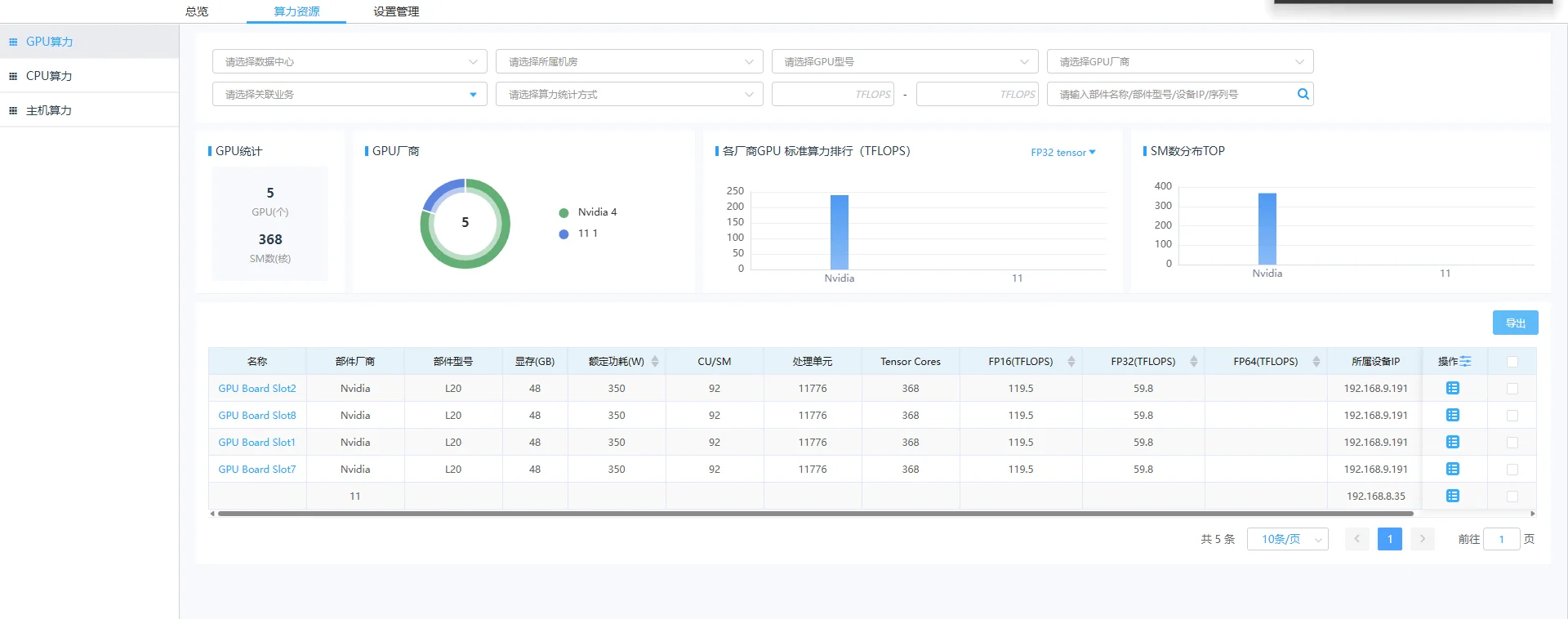
- Discover GPUs and servers and locate them down to individual rack units.
- Combine in-band and out-of-band collection through IPMI, Redfish, SNMP and SSH without installing an operating system agent.
- Connect out-of-band health and asset information with in-band GPU memory usage and compute utilization.
Connect IT with facilities conditions
- Correlate IT metrics with temperature, humidity, PDU, UPS and cooling data.
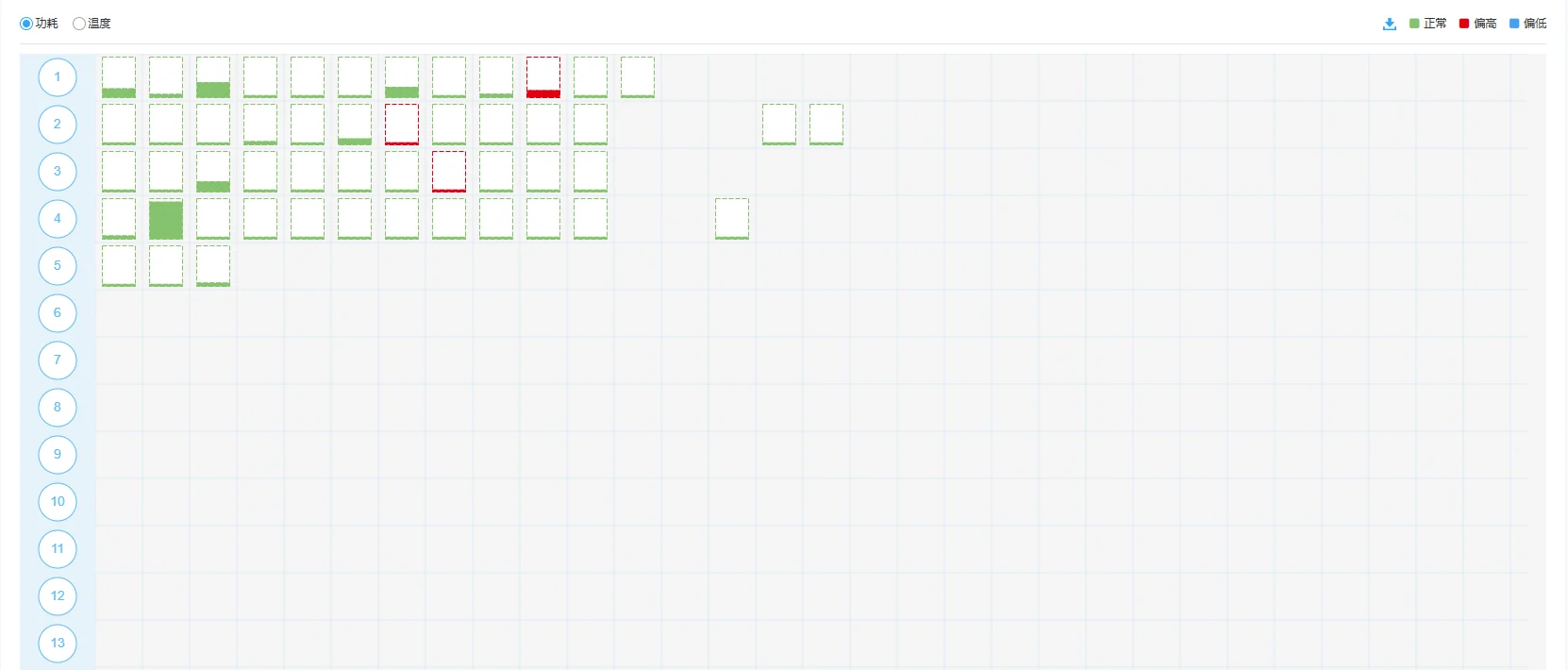
- Collect server inlet temperatures and real-time power consumption to create device-level heat maps and energy profiles.
- Follow dependencies across applications, networks and the physical environment to investigate root causes.
Build a foundation for proactive operations
- Bare-metal deployment: Standardize acceptance, operating system installation and stress testing.
- Custom monitoring: Define Shell, JDBC and SNMP checks for specific workloads.
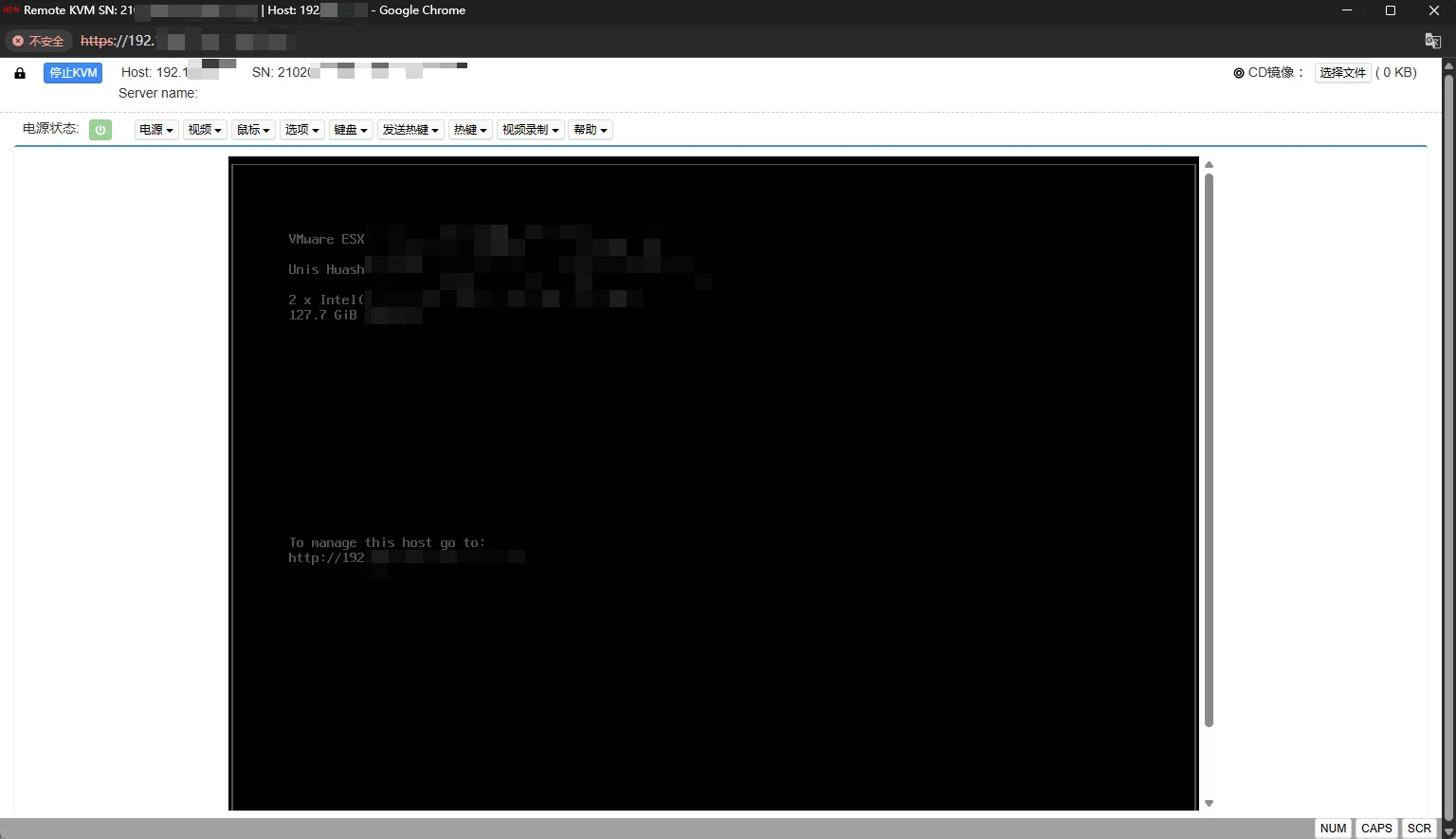
- Remote KVM: Recover servers through the management interface even when the operating system has crashed.
Buying compute does not guarantee usable capacity. CloudSino combines full-stack monitoring, physical location, energy and facilities data, and automated controls to help teams understand and manage their AI infrastructure.